Sponsored article
The food manufacturing sector is undergoing a technological revolution, with automation playing a pivotal role in transforming operations. From enhancing efficiency and precision to reducing waste and energy consumption, automated solutions are at the forefront of innovation. This article delves into the recent advancements that are driving these changes, showcasing how the industry is evolving to meet modern challenges with cutting-edge technology.
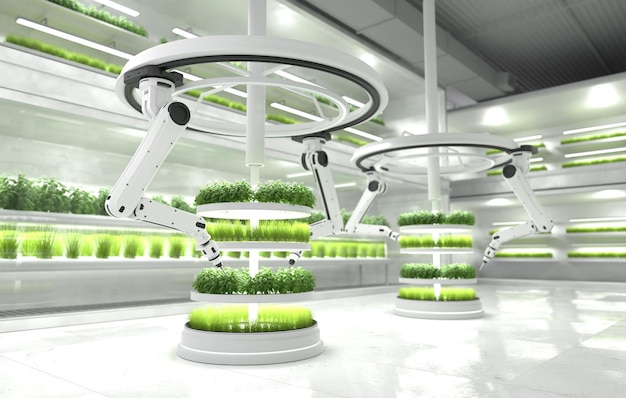
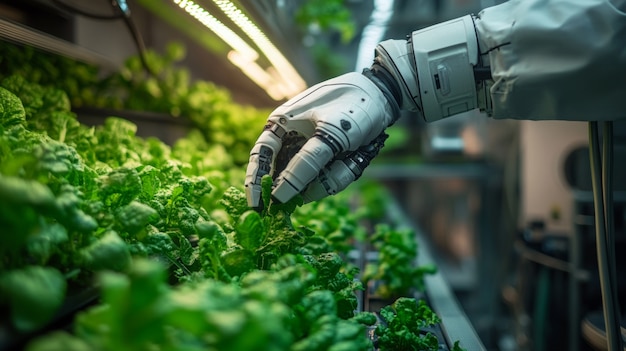
The integration of robotics and artificial intelligence in food manufacturing processes is revolutionizing the industry by automating repetitive tasks, enhancing precision, and boosting productivity. Robotics streamline operations by taking on labor-intensive duties that require consistent accuracy, which minimizes human error and maintains high-quality standards. At the same time, artificial intelligence plays a crucial role in analyzing data to optimize production lines, ensuring that everything runs smoothly and efficiently. These technologies allow food manufacturers to meet the growing demands of the market while maintaining cost-effectiveness and sustainability. In the UK, companies leading the charge in automation, like Rafpol Distribution Ltd, offer advanced automatic packaging machinery UK, ensuring food manufacturers have the latest tools at their disposal to transform their operations. As the reliance on robotics and AI continues to grow, the food manufacturing sector can expect further innovations that will redefine how products are produced and packaged, ultimately delivering better results for both businesses and consumers.
In the rapidly evolving food manufacturing sector, innovations in automated solutions are at the forefront of driving sustainability. By utilizing sophisticated automated systems, manufacturers can significantly enhance energy efficiency, a pivotal step towards sustainable operations. These advanced systems meticulously track and optimize energy consumption, ensuring that machines operate only when necessary and at optimal efficiency levels, thereby reducing energy waste. Furthermore, automation plays a crucial role in waste reduction by precisely managing resources, minimizing surplus, and ensuring consistent quality control, which reduces the rejection rate. Through intelligent inventory management and advanced sorting technologies, automated systems prevent unnecessary waste and spoilage, aligning with eco-friendly practices. By integrating these cutting-edge technologies, the food manufacturing sector not only boosts productivity but also champions a sustainable future, affirming the commitment to energy efficiency and waste reduction, thereby offering a greener, more sustainable food production process.
In the rapidly evolving food manufacturing sector, the integration of smart technologies plays a crucial role in enhancing quality control. Advanced sensors and machine learning algorithms significantly contribute to the improvement of real-time monitoring systems, ensuring that food products meet the highest standards of safety and quality. By deploying these technologies, manufacturers are able to promptly identify and address potential defects, contaminants, or inconsistencies in their production lines. Key benefits of using smart technologies for quality control include:
Ultimately, smart technologies revolutionize quality control by providing food manufacturers with the tools necessary to maintain high standards and meet regulatory compliance with greater precision and reliability.