Sponsored article
In the fast-paced world of food production, innovative packaging solutions are playing a crucial role in transforming the industry. With a focus on enhancing efficiency and sustainability, these advancements are paving the way for a more streamlined production process. From the development of new materials to the integration of smart technologies, packaging innovations are not only extending the shelf life of products but also meeting the growing demands for eco-friendly practices. Explore how these changes are reshaping the food production landscape.
Harnessing the power of innovative materials, the food industry is witnessing a transformation in food preservation, significantly enhancing shelf life and quality. As a key player in this arena, new packaging technology allows for the development of materials that not only preserve freshness but also meet demanding sustainability criteria. Utilizing advances such as biodegradable films and oxygen barrier coatings, these state-of-the-art materials offer a host of benefits that align with sustainable practices. Solutions like
contribute markedly towards reducing food waste, a pressing environmental issue. These pioneering materials are crucial in extending the longevity of food products while maintaining nutritional quality, thus supporting the global push for more sustainable food systems. In tandem with advancements from companies like Rafpol, a leading automatic packaging machinery distributor, these innovations are setting new benchmarks in the packaging sector, revolutionizing food production processes at large.
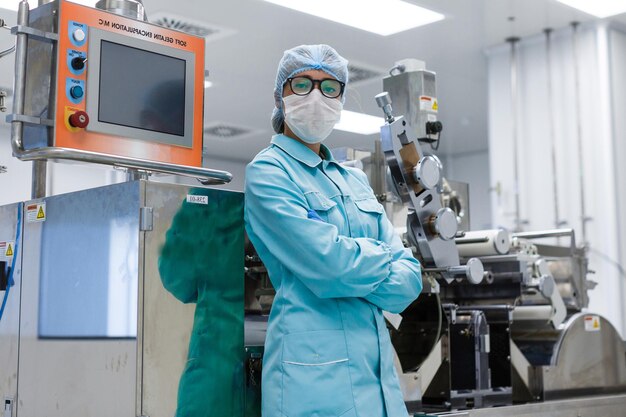
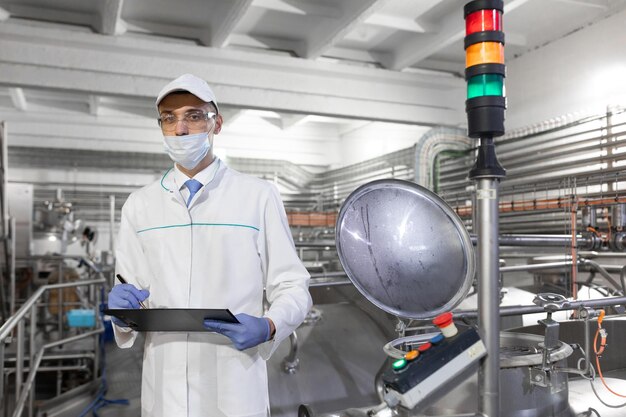
The integration of automation and smart packaging technologies is revolutionizing food production lines by setting new standards for efficiency and safety. Automation streamlines complex processes, minimizing human error and ensuring consistent quality throughout production. This advanced technology reduces manual labor and accelerates production rates, leading to significant cost savings. As a result, manufacturers are not only able to meet increasing consumer demands but also maintain competitive pricing strategies. Smart packaging further enhances these benefits by incorporating elements such as sensors and RFID tags, which provide real-time data to monitor product conditions. This capability enables proactive measures to be taken to preserve freshness and prevent contamination, crucial factors in maintaining product safety.
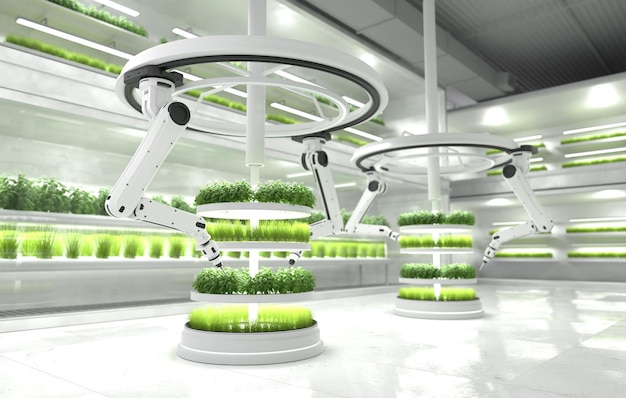
By harnessing the power of automation and smart packaging, food production lines are better equipped to handle the challenges of today’s fast-paced market. The data-gathering features of smart technology allow for more informed decision-making, as production managers can quickly identify areas that need improvement or adjustment. This level of insight ultimately leads to more efficient production and distribution processes, ensuring that products reach consumers in prime condition. As these technologies continue to evolve, they promise to unlock new potentials in reducing waste, optimizing resource use, and enhancing overall operational efficiency, providing food manufacturers with a sustainable advantage in a competitive landscape.
The food packaging industry currently grapples with numerous challenges, largely driven by evolving consumer demand and the urgent need for sustainability. As consumers become increasingly conscious of their environmental footprint, there is a growing demand for food packaging that is not only effective but also environmentally friendly. This shift puts pressure on manufacturers to innovate and find sustainable alternatives to traditional packaging materials. Additionally, the complexity of maintaining food safety while complying with stringent health regulations further complicates the industry’s landscape. Ensuring that packaging solutions keep food fresh and safe, while minimizing environmental impact, is a pivotal challenge that requires continuous innovation.
Looking towards the future, several trends are likely to shape the food packaging industry. There is a forecasted increase in the development of biodegradable and recyclable materials as companies strive to meet both regulatory standards and consumer expectations for sustainable solutions. Smart packaging, which incorporates technology to enhance user experience and improve shelf life, is another burgeoning area of innovation. As these future trends unfold, businesses within the industry will need to adapt swiftly to stay competitive, embracing new technologies and approaches to address the challenges of modern food packaging.